
Why People Are Returning to Church and What You Should Do About It
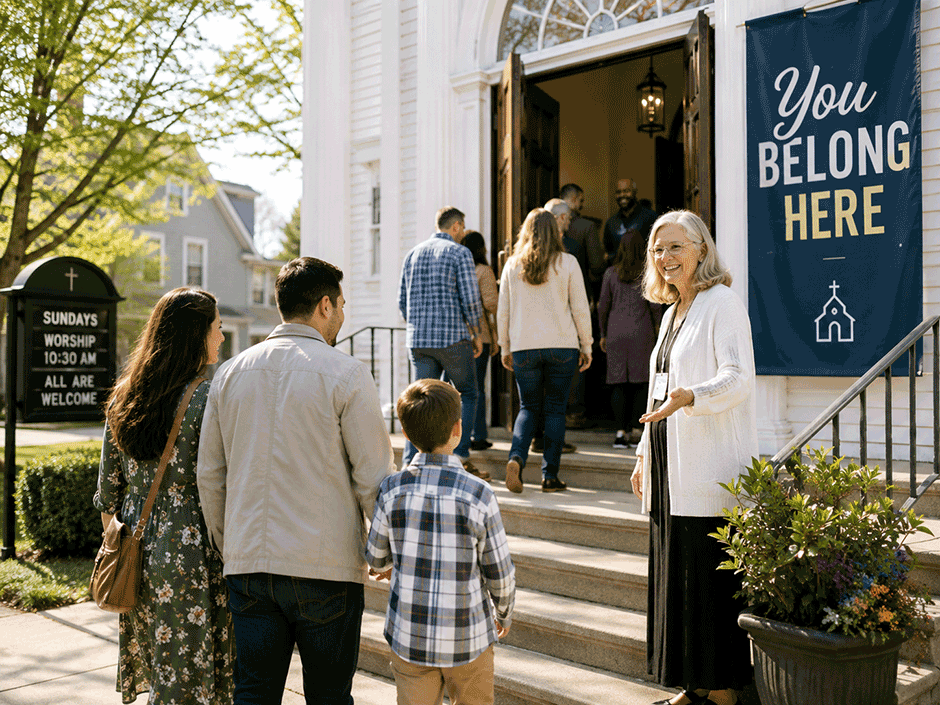
Have you noticed a shift in your congregation or community lately? Maybe you’ve had an uptick in visitors or seen more people lingering after worship to chat. Maybe you’re hearing more requests for Bible studies, life groups or specific sermon topics.
New research backs up these observations and offers some clues about why people are returning to church. Even small signs of growing interest in religion are encouraging — and especially noteworthy after decades of decreased church attendance.
Although talk of a faith resurgence in American churches might be premature, studies and anecdotes point to some type of spiritual reset. Renewed discussions about church and religious matters are most evident among younger generations and men, experts say. Some people describe it as an inflection point; others say it’s a pause in secularization and “dechurching.” But after all the pandemic upheaval in the Christian community since 2020, any promising news provides a much-needed boost.
How can church leaders, ministries and congregants welcome this spiritual curiosity and set the stage for continued growth?
Signs of Religious Reset in America
In April, a Hartford Institute for Religion Research study revealed that median in-person worship attendance in America had risen for the first time in 25 years. Of the more than 7,400 U.S. congregations that participated in the study, 58% reported having “stronger vitality” than before the pandemic.
The findings are more of a recalibration than a revival, cautioned researcher Allison Norton. But she noted that churches — at least the ones that adapted after COVID — do seem to be bouncing back.
Gains in worship attendance are uneven and not across the board. Many mainline Protestant churches and smaller congregations are still struggling, and some “growth” amounts to people leaving one church to join another. Plus, many churches that waited for things to go back to normal after the pandemic are still waiting for people to return.
But more promising news came out in May. A Pew Research Center survey found that 37% of U.S. adults said religion is gaining influence in American life. Two years ago, that number was just 18%. Whether people perceive religion’s influence as positive or negative is often a partisan issue. Yet it’s part of the buzz about why people are returning to church.
What’s Driving People Back to Church
Why are more Americans seeking the benefits of religion and religious communities? Researchers and ministers point to these possible factors:
Loneliness. Digital natives are realizing that online connections don’t satisfy the need for genuine relationships. Young men especially describe feeling adrift, anxious, and short on friends and mentors.
Instability and lack of moral guidance. In a divisive secular culture, many people are tired of strife, relativism and uncertainty. They are turning to faith communities and the Bible for steady direction and unchanging truth.
Curiosity. More people are exploring faith in private, watching sermons online before walking into a church building. Podcast-style preaching and accessible content provide important inroads to faith.
Generational shifts. According to new data from Gallup, men under 30 who described religion as “very important” jumped 14 percentage points in the past two years. Other research shows that a long-standing gender gap is narrowing or reversing. Bible engagement and church participation are climbing among young men while softening among young women.
Payoffs of church resilience. Congregations that are growing now viewed COVID as an opportunity, the Hartford research found. Those churches invested time and money in digital infrastructure, innovative volunteer experiences and different ways of being in community. All that creativity and determination are bearing real fruit.
What Renewed Interest in Faith Means for Churches
Any cultural shifts that make people more open to Christianity are reasons to celebrate. They serve as windows to offer compassion, hope and biblical truth to those who need Jesus Christ. Churches must be proactive to make the most of this opportunity to share the Gospel. That includes targeting overlooked demographics through methods that might feel uncomfortable at first.
Steps taken by each Christian church in America now can make an eternal difference for hundreds of thousands of lives. People have questions about religious beliefs and practices, and they want answers without fear of judgment. Now more than ever, every church leader and member plays a key role in helping seekers feel at home on Sunday morning and beyond.
Consider these lessons from the new research findings to gain attention, trust and hearts:
Offer a low-pressure “front door” online.
Your church’s digital presence is no longer a marketing extra. It’s now your first point of contact for spiritually curious neighbors. Make sure online Scripture teaching and sermons are accessible, not exclusionary. With friendly tones, make it okay for people to be present in a virtual space before you expect them to join or sign up.
Minister to men.
Does your congregation help men form connections and receive godly advice? Do they feel comfortable asking questions about tough topics? Gen Z guys tend to respond to discipline, sacrifice and purpose. For men, small groups combat isolation and encourage accountability. Podcasts, sports leagues, fitness groups and outdoor trips also serve as great entry points for relationship-building and spiritual conversations.
Focus on belonging.
On a May episode of “The Daily” podcast, several young adults who recently embraced Christianity cited the role of friendships. At church, they value a sense of family, service projects and options such as recovery ministries. Visitors, whether they come from a different denomination or from none at all, want to know if they will belong at your church. So before you drill them on doctrines about salvation and heaven, plan to welcome them warmly.
Avoid the pitfalls of politics.
Pew research found that religion’s rising profile is entangled with debates about political identity and Christian nationalism. Most Americans, including most Christian churchgoers, say they want their congregation to stay out of partisan politics. If your church comes across as a political brand first and a faith community second, the curious but wary crowd that’s driving faith resurgence might balk.
Experiment!
Churches on the move didn’t just reopen their doors after the pandemic and wait. They changed service times, added new entry points and rethought what a “regular” church attendee looks like in a hybrid world. The takeaway? Just because interest in spirituality is up, don’t assume the old playbook will work.
A Word for Smaller Churches
If you lead a smaller congregation, news about rising church attendance might not seem applicable. But a general uptick in religious openness is also good news for small churches and church-planting communities.
Because people who are new to faith often prefer low-pressure worship services, intimacy is an advantage. Smaller churches can move faster; for example, you don’t need board approval to test a midweek meet-up for college students or a weekly video series about Jesus. In the Hartford study, congregations grew when they were willing to ditch traditions and learn from the results.
Leaders of smaller congregations can partner effectively, sponsoring a joint ministry for youth. Remember to point people to whatever Christian sanctuary or Sunday school classroom will disciple them, even if it’s currently not yours. After all, the goal isn’t to steal market share from other churches. We want to reach people who aren’t in any church but, for the first time in years, are willing to consider faith.
That’s the real headline from recent reports about renewed interest in religion. The Holy Spirit is cracking open a door that’s been shut for a long time. What happens next depends on what churches do while the door is open.
Share this Post:

Looking for More?
Imagine having fresh help in preparing your sermons right at your fingertips, especially during those weeks when your words and ideas are not flowing easily. Homiletics Online won’t write the sermon for you but once you’ve used this treasury of solid content, you’ll wonder how you ever got along without it.
Would you like to see your post on this blog?
We are always looking for talented and passionate writers who want to share their ideas on preaching the Gospel. If that sounds like you, then please use the button to submit a guest post.
Special Installments